
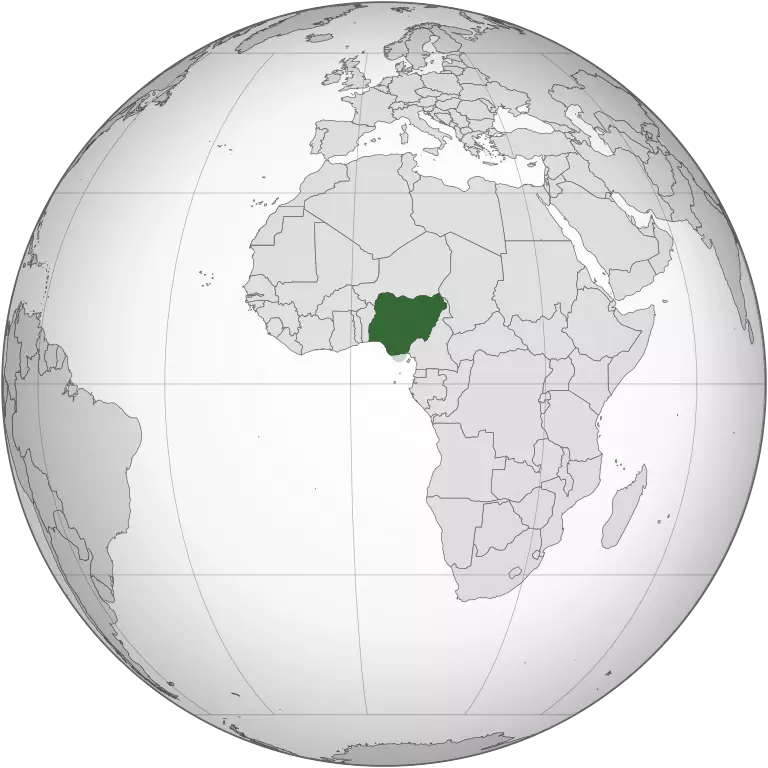
Nigeria is one of the countries hardest hit by cholera in the WHO African Region. The 2021 epidemic is Nigeria's worst on record, with over 110,000 suspected cases and 3,600 deaths across 33 states (1,2). A recent review by Gulumbe et al. has assessed the underlying factors of cholera dynamics in Nigeria (1), highlighting that armed conflict and climate variability are interconnected forces that amplify the frequency and severity of cholera outbreaks.
The review maps how these twin drivers operate through distinct but overlapping pathways. Conflict (particularly the Boko Haram insurgency in Nigeria's northeast) destroys water infrastructure, displaces millions into overcrowded camps with inadequate sanitation, and cripples health surveillance systems. Climate hazards, such as flooding, can result in contaminated water sources and disrupt sanitation services, with outbreaks often peaking during the rainy season. The highest-risk scenarios arise when climate shocks strike populations already weakened by conflict, creating compounded emergencies that overwhelm routine control measures (1).
Borno State's current outbreak is a stark illustration of these dynamics. The state sits in Nigeria's northeast, a region already grappling with the effects of climate variability. Since early May 2026, the state has reported over 12,000 suspected cholera cases and at least 95 deaths. This toll is largely driven by a health system that has been worn down by years of conflict, resulting in population displacement, poverty, and limited access to safe water and sanitation services (3).
The authors call urgently for a fundamental shift in how cholera is managed in Nigeria, advocating for conflict-sensitive and climate-adaptive strategies that go beyond traditional public health approaches. Key recommendations include strengthening resilient WASH systems tailored to regional risks, integrating climate-informed early warning systems with disease surveillance, pre-positioning supplies and targeted interventions in high-risk settings, community engagement, and improving coordination among government agencies, humanitarian organizations, and international partners. The review emphasizes that without context-specific interventions, cholera control will remain reactive and fragmented, allowing preventable outbreaks to persist (1).
References
- Gulumbe BH, Abdulrahim A, Idris I, Saheed Y, Lawan KA. Recurrent outbreaks of cholera in Nigeria: a narrative review on the role of conflict and climate change. J Water Health. 2026 Feb;24(2):221–38. doi:10.2166/wh.2026.233 PubMed PMID: 41764393.
- World Health Organization. Cholera case and death numbers by country. The Weekly Epidemiological Record [Internet]. Available from: https://www.who.int/wer/en/
- Médecins du Monde. Médecins du Monde Mobilizes Rapid Emergency Response as Severe Cholera Outbreak Escalates Across Borno State [Internet]. 2026 Jun. Available from: https://www.medecinsdumonde.org/en/news/cholera-outbreak-borno-state-medecins-du-monde-response/