
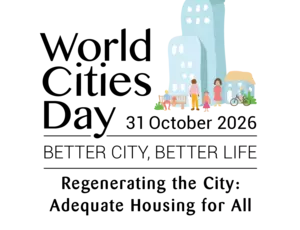
On October 31, World Cities Day focuses on adequate housing for all, which is not just about four walls and a roof, but also access to safe drinking water and sanitation. For the more than one billion people living in informal settlements, improving these services can sharply reduce waterborne disease.
About cholera epidemics
A systematic review in BMC Infectious Diseases found that waterborne and vector-borne disease cases increased after flooding. To prevent and contain waterborne outbreaks, rapid water, sanitation, and hygiene measures are essential, alongside longer-term investment in infrastructure. For vector-borne diseases, mosquito control is key.
About cholera epidemics
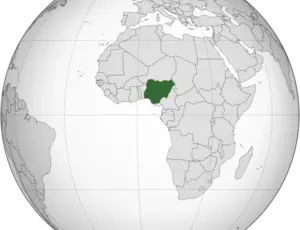
Nigeria is one of the countries hardest hit by cholera in the WHO African Region. A recent review examines how armed conflict and climate variability fuel the country’s recurring outbreaks.
About cholera epidemics
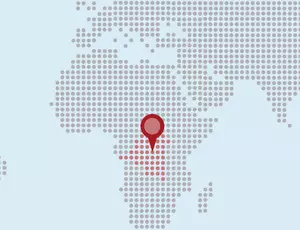
The Ebola outbreak in the Democratic Republic of the Congo (DRC) is not the only health crisis ravaging the country. In the same region, the DRC is also facing one of its worst cholera outbreaks in recent history.
About cholera epidemics
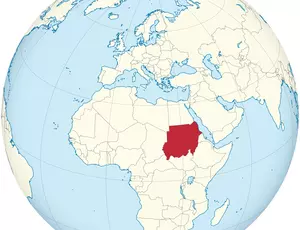
From 2024 to early 2026, Sudan experienced a massive cholera outbreak, amid the backdrop of a fragile health system, disrupted essential services, and mass displacement due to years of conflict. Lessons learned from the community-led response could offer guidance for other countries facing similar instability.
A recent review has explored the role of climate change in driving cholera transmission in Africa, with Sudan and Ethiopia serving as stark case studies.

About cholera epidemics
Save the Children warns that in 2026, collapsing health funding, conflict, and climate shocks could trigger a deadly resurgence of childhood diseases such as cholera. Without urgent global action, decades of progress in child survival risk being undone.
About cholera epidemics
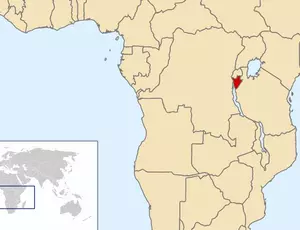
A surge of violence in eastern Democratic Republic of the Congo has pushed more than 88,000 refugees into Burundi, overwhelming already fragile systems. Overcrowded camps, poor living conditions, and weak surveillance are creating the perfect storm for a cholera crisis both in Burundi and the region.

About cholera epidemics
During cholera outbreaks, quickly reaching affected households and nearby neighbors is key to stopping transmission. A recent study sheds light on how to deploy and adapt targeted mechanisms in real-world conditions, offering practical ways to strengthen and accelerate responses in challenging contexts.